
In 2024, the books I’ve read didn’t just inform—they uncovered hidden truths, challenged my thinking, and sparked ideas I never saw coming. Here are my top five, shared in reverse order.
5. Recoding America by Jennifer Pahlka
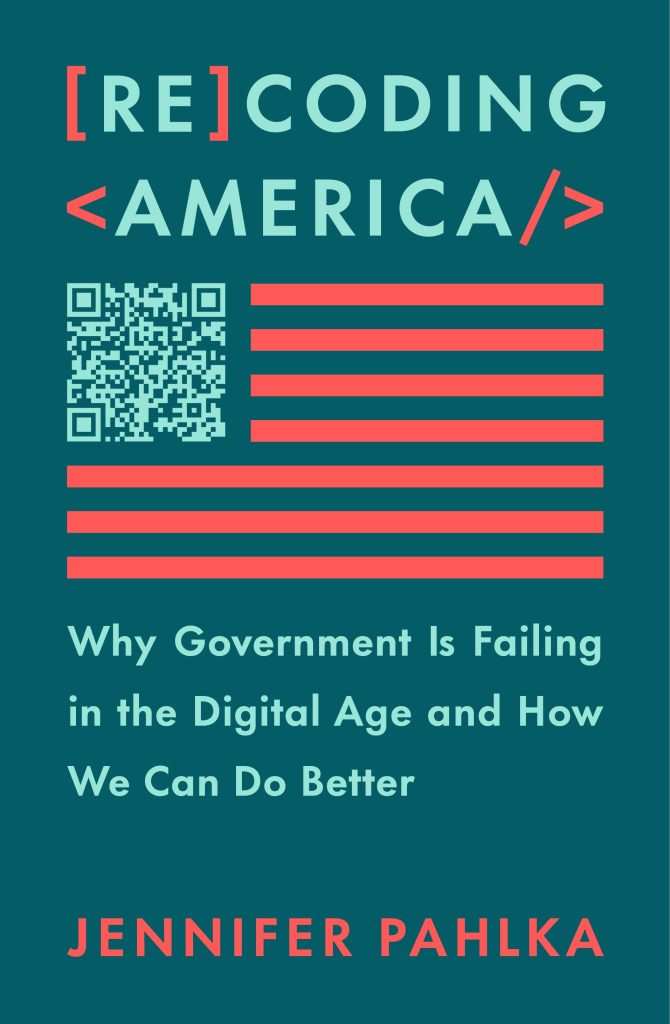
This book reads like a call to arms for anyone disillusioned with government bureaucracy. Jennifer Pahlka’s sharp critique of the systems we rely on to serve public needs is matched by her optimism for what’s possible when we bring empathy and design thinking into policy-making. One of my favourite quotes from the book reflects this ethos perfectly:
“The skills most needed in government are good product management and service design. The work is hard not because the tech is complicated but because the environment is.”
This resonated deeply as I thought about my own role in public service. Pahlka argues for humility and emotional intelligence in public-sector work, qualities I’ve seen make a difference firsthand. Her insights aren’t just for policy wonks; they’re a reminder that even the most rigid systems can change when people take responsibility for their design.
4. Not the End of the World by Hannah Ritchie
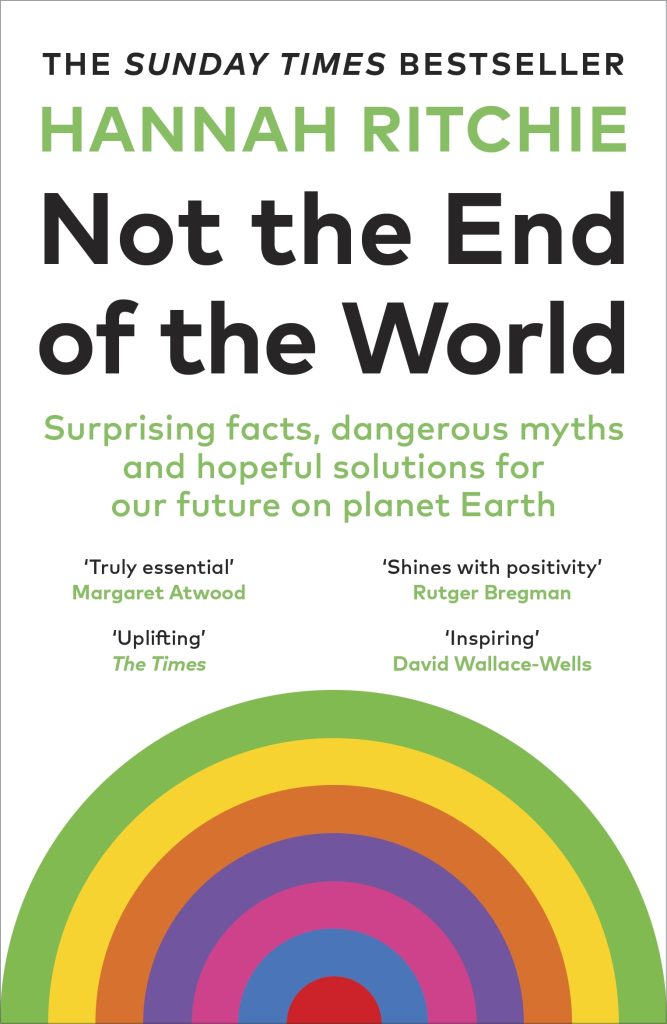
In a year that seemed to overflow with doom-laden headlines, Hannah Ritchie’s book offered a refreshing counterbalance. Far from naive optimism, it’s a rigorous and grounded exploration of why the world isn’t as broken as we think. The title alone became a kind of mantra for me, a reminder to look for nuance in narratives of crisis.
Ritchie doesn’t shy away from the challenges we face, but she frames them in the context of progress—scientific, social, and technological. As someone working in data, I found her commitment to evidence-based hope inspiring. In an age of cynicism, it takes courage to say: “Things are getting better, and here’s the proof.”
3. Outlive: The Science & Art of Longevity by Peter Attia
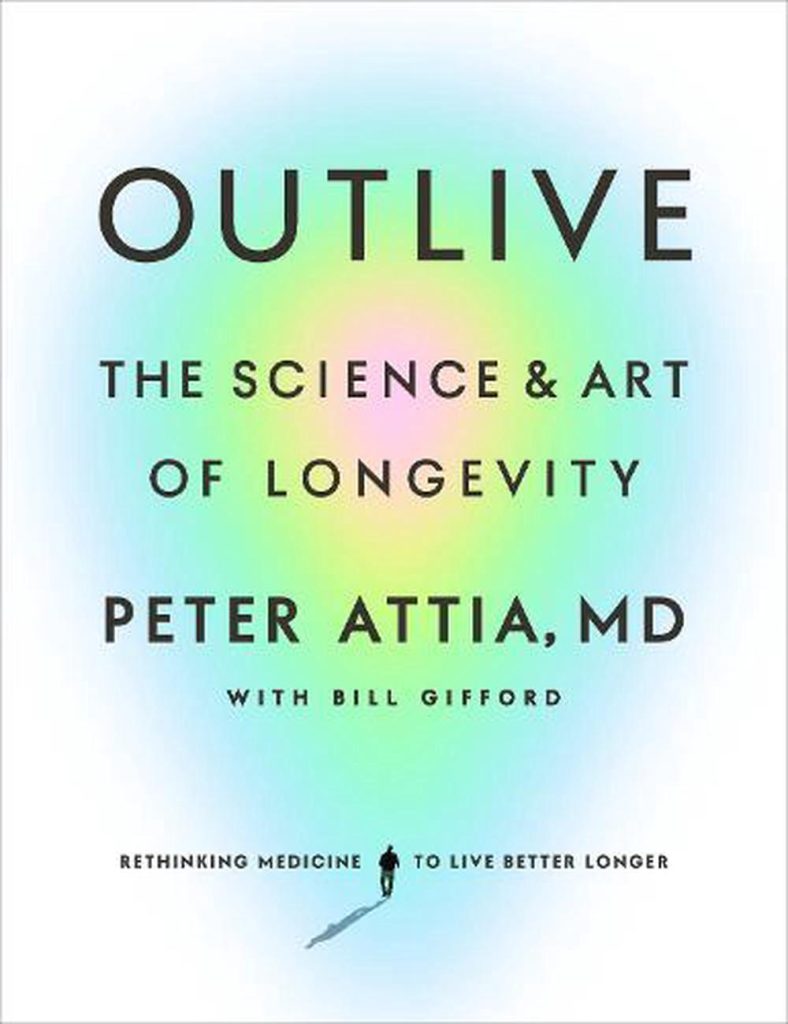
I picked up this book out of personal curiosity, but it turned into an unexpectedly transformative read. Peter Attia combines cutting-edge science with hard-earned wisdom, offering a roadmap for not just living longer but living well. What struck me most was his discussion of healthspan—the idea that longevity isn’t just about adding years to life but adding life to years.
Attia’s approach mirrors what I aim for in my own work: a balance of rigour and humanity. Whether he’s detailing the physiological mechanisms of ageing or describing his own struggles with burnout, he never loses sight of the bigger picture. It’s a book that makes you want to get up, move, and live intentionally.
2. Understanding Variation: The Key to Managing Chaos by Donald J. Wheeler
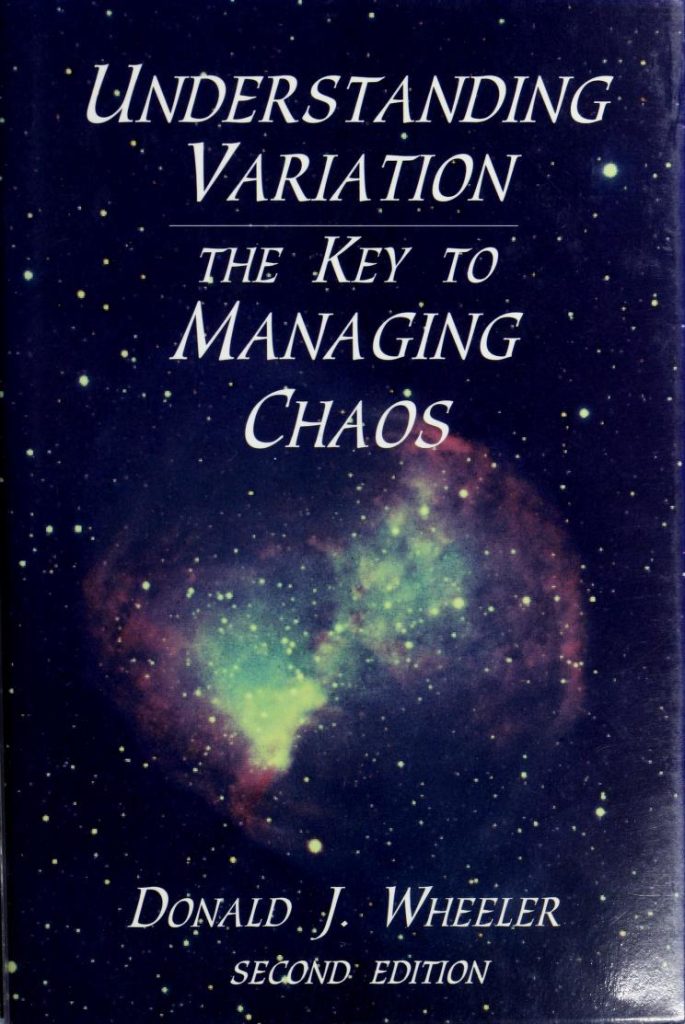
This slim volume might not have the mass appeal of others on this list, but for anyone working with data, it’s a revelation. Wheeler’s book is all about the art of discerning signal from noise, a skill that feels more crucial than ever in our era of information overload.
One example that stuck with me is his discussion of control charts—tools that seem deceptively simple but reveal profound truths about processes and systems. It’s a reminder that much of what we label as chaos is just a lack of understanding. Reading this book felt like acquiring a superpower: the ability to see order where others see randomness.
1. The Five Dysfunctions of a Team by Patrick Lencioni
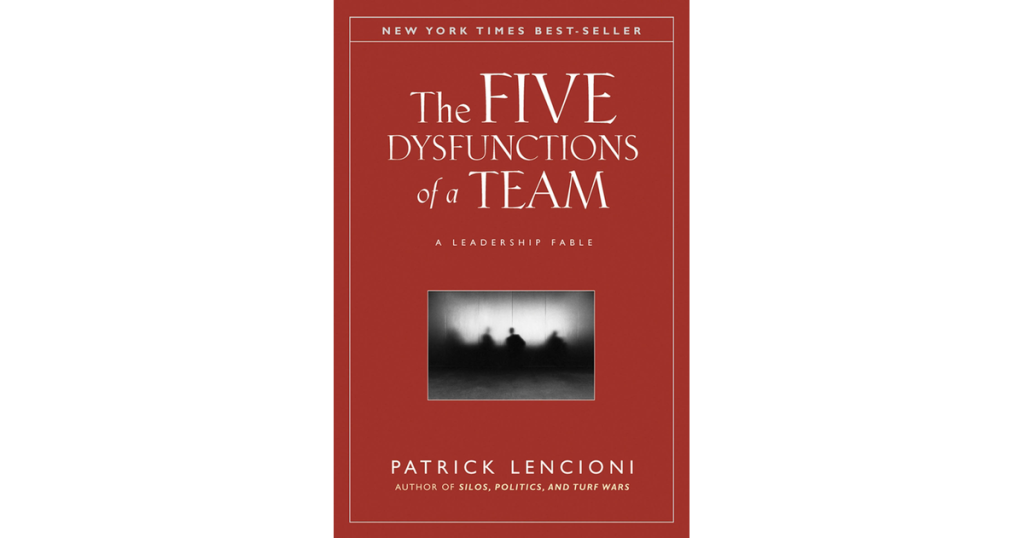
This was the standout for me—not just because of its insights into teamwork, but because it helped me see my own leadership journey in a new light. Framed as a business fable, it’s deceptively simple. Yet Lencioni’s model of trust, conflict, commitment, accountability, and results cuts straight to the heart of what makes—or breaks—a team.
A highlight that stayed with me:
“The most important action that a leader must take to encourage the building of trust on a team is to demonstrate vulnerability first.”
This idea felt deeply personal. As a leader, I’ve found that being open about my own uncertainties often creates space for others to do the same. Lencioni’s wisdom reminded me that trust isn’t just a nice-to-have; it’s the foundation for everything else.
Closing Thoughts
If there’s a thread running through these books, it’s the idea of transformation—of individuals, teams, and systems. Whether through better data, stronger relationships, or a clearer understanding of the world, these authors inspired me to believe that change is possible.
So, what did you read this year that changed you? I’d love to hear about it—let’s keep the conversation going. After all, the best books aren’t just the ones we read; they’re the ones we share.