

If you'd prefer to consume this content as a video, check it out above via my YouTube channel!
For about two years of my life in my early twenties, I was obsessed with World of Warcraft.
For those of you who aren’t familiar with it, World of Warcraft, or WoW, is a Massive Multiplayer Online Role Playing Game which was first released in 2004 and at its peak in 2010 had around 12 million subscribers.
I started playing the game in early 2005 when I was a second-year English Literature student at university, and even though this game nearly cost me my degree I wouldn’t have traded the experience for the world. And one of the reasons for that was it gave me my first leadership experience.
No seriously, it did.
In this post I’m going to share the three lessons about leadership that I learned from World of Warcraft, and how I applied them as a manager in the real world.
If the combination of data and fantasy role-playing appeals to you then check out my online quiz, Who’s You Data-Based Fantasy Role-Playing Character? It’ll only take you a few minutes, it’s loads of fun, and you’ll learn something about your profile as a data practitioner.
Lesson 1: issue clear instructions
I’m not ashamed to say that I was a Guild Leader in WoW.
For the uninitiated, this means that I was in charge of a group of about 50 to 100 other players, and a few evenings a week 25 of us would raid a dungeon to take down bosses and earn new gear and weapons.
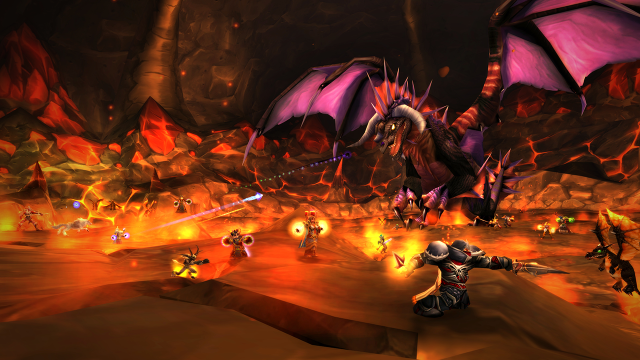
Defeating these bosses required serious coordination, and each boss fight had its own unique strategy to complete.
My team of 25 consisted of lots of Scandinavian players, and we communicated over voice chat. Although they spoke excellent English, it wasn’t their first language and so it was easy for something to be misinterpreted. But without a clear understanding of each of our roles, there was no way we could defeat the bosses.
I quickly learned that issuing clear instructions at the start of each boss fight was crucial. I would read up on the strategy beforehand, and then give a summary of that strategy to the group before we started the fight. I never assumed that anyone else had read up on the strategy, and I always allowed time for the team to ask questions before we started.
When I managed a team of data analysts, issuing clear instructions was equally as important to get the job done. Although we used Kanban cards to document tasks, I would still take the time to run through things verbally and give the team the space to ask questions.
And here’s another commonality between my Guild Leader experience and my managerial experience on the topic of issuing instructions: I was never prescriptive.
In our WoW team we had tanks who would keep the boss occupied, healers to keep players alive, magical DPS (damage per second) classes for attacking the enemies from afar, and melee DPS for attacking them up close. Each player had their role, and as Guild Leader it wasn’t my place to tell them how to play their role. I just needed them to know how to work together, what to be aware of as the fight progressed, and to offer encouragement to the team.
The team of data analysts I lead also had their own individual strengths, and I didn’t tell them how to do their work. I made sure they knew how to work together, what the end goal was, and gave them my backing.
In both cases I trusted the team, and it worked.
Lesson 2: recruit carefully
Running a Guild was kind’ve like a part-time job, and one of my tasks as Guild Leader was to interview candidates who wanted to join our Guild.
In some ways this operated like a standard recruitment process. Players would submit an application via our message board, and if we were satisfied with the player’s answers to the questions in our application template then we’d reach out to them for a chat. In other words, we interviewed them.
These interviews would happen in the game itself, so we’d meet up and we’d either talk over voice chat or in writing through the in-game messaging system.
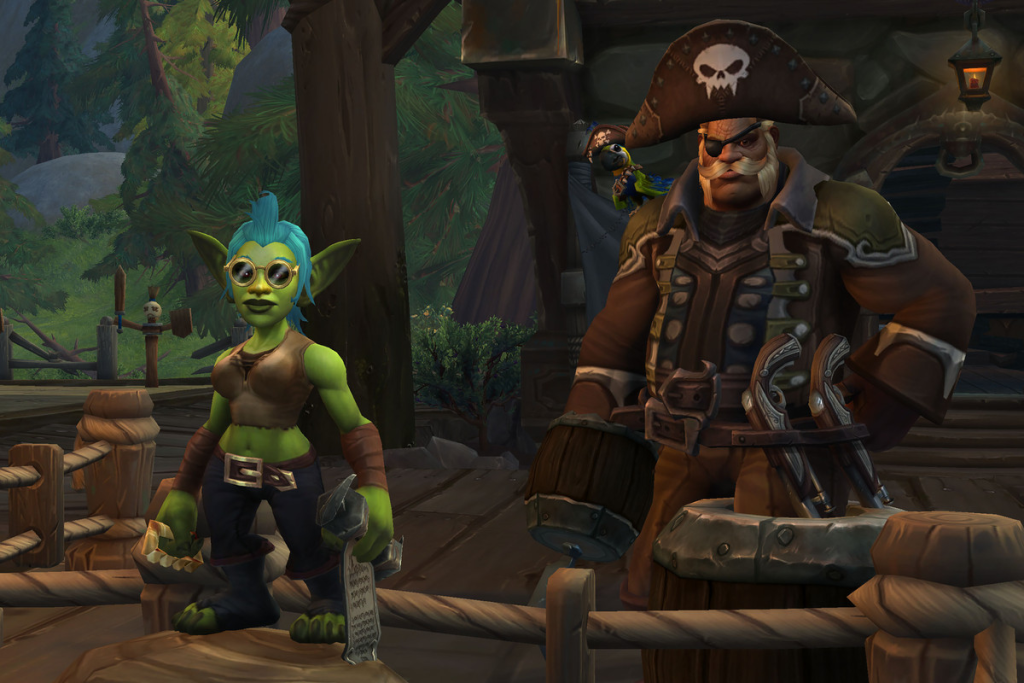
When we met in the game I’d check out their gear and weaponry. Sometimes we’d go on a raid together. In WoW you could raid 5-person, 10-person, or 25-person dungeons. There were also 40-person dungeons, but they’d gone by the time I was leading a Guild.
If the candidate performed well during the raid and interacted well with us, then I’d have a chat with my Guild Officers - these were like my second-in-command group of around 4 or 5 of the most dependable Guild members. If all of us were happy, we’d invite the candidate to join the Guild for a trial period.
During the months that I led the Guild, I don’t think we ever recruited someone who caused us problems. And in retrospect I think this was because I put more stock in their personality than I did in their gaming prowess. Of course it was important that they were able to make a contribution to our raids - a healer needed to heal well, a tank needed to keep enemies away from the group, and DPS classes needed to take down the enemies fast - but that was less important to me than how easy it was get along with the player behind the avatar. After all, we could train less able players but we couldn’t train an asshole out of being an asshole.
I’ve either been a hiring manager or assisted other hiring managers over the last few years, and I apply the same principles when I assess candidates: is this person aware of their own limitations and willing to learn? Does this person answer honestly? Does the person have a sense of humour? Is this person prepared to face new challenges with limited guidance?
We had a strong team in our Guild. We didn’t progress as far into the game as many other Guilds, but we had a lot of fun. And that’s really what it was all about.
Lesson 3: balance your commitments
During the months that I was leading a Guild, I was also studying for a Masters in English Literature.
Raiding dungeons in WoW was a serious commitment: not only did you spend 3 to 4 hours two to three evening a week conducting the raid, but you also had to spend time between raids gathering resources to create potions or craft items. Without these, you wouldn’t perform as well during the raid and you’d let your team mates down. You could also do PvP, or Player Versus Player, which is when two teams would fight each other to claim prized loot.
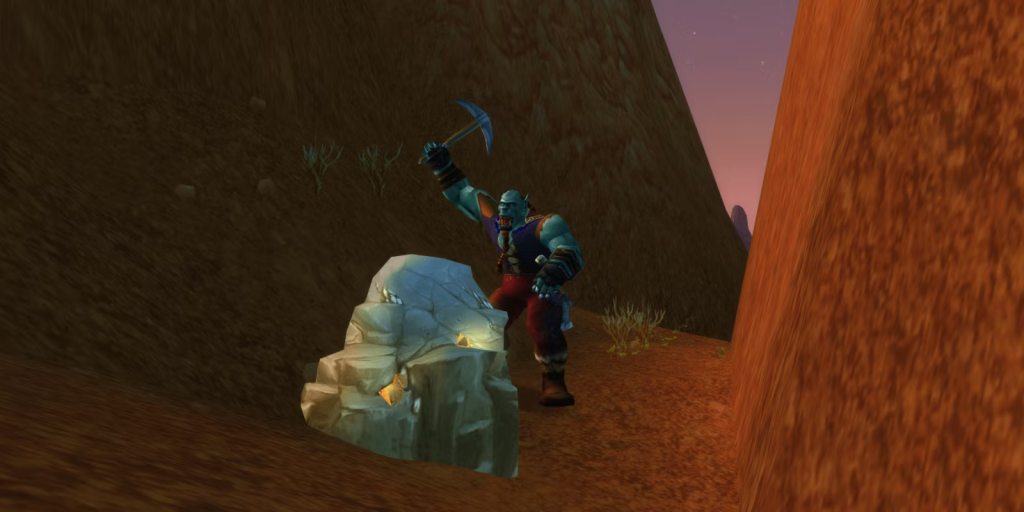
All in all, there were many days when I played WoW for 12 hours a day. This was partly because I enjoyed the game, but it was also because I felt a sense of obligation towards my Guild mates. If I didn’t put in the time to keep the show running, then they wouldn’t get to experience end-game content. It required a lot of coordination, and without it people would leave the Guild and it would all fall apart.
To many these may sound nuts: why would you spend 12 hours a day playing a video game for nothing in return? The madness of the situation really dawned on me in the run-up to my Masters thesis. I had done bits and pieces of research, but the deadline was looming and it was only two weeks before the deadline that I started writing what would end up being a 20,000-word thesis on John Milton.
For some reason I still don’t understand I also decided to handwrite the whole thing, so I also had to allow a day or two to type it all up. The thing was littered with typos, but miraculously I ended up getting a Distinction. This taught me that if I put my mind to it, I could do really good work - but it would mean balancing my WoW time with my real-life time.
Gradually, over the next few months I played WoW less and less, and by the end of 2008 I was barely playing it at all.
Good leadership means understanding where to focus your energies. It means constantly assessing priorities and switching your focus accordingly. It means that just because there’s an aspect of your work that you enjoy, you shouldn’t put all of your time into it if you’re needed elsewhere. And you might realise that the thing you thought required all of your attention is actually not that important after all.
In conclusion
I loved my time playing WoW and I met some great people along the way. It genuinely taught me lessons about leading a group of people, issuing clear instructions, recruiting the right people into the team, and balancing priorities. There’s no substitute for real-world experience, but in a working culture that is much more online now than it was even during my WoW days, there are skills you learn from playing video games, especially MMOs like WoW, that I think are easy to dismiss if you haven’t been immersed in these worlds for yourself.
Just maybe don’t do it for 12 hours a day.